A cracked windshield doesn’t wait for a free afternoon. It appears after a gravel truck throws a pebble on the interstate, or after a cold night expands a tiny chip into a spreading line. When you search for auto glass near me, you’re making a time-sensitive decision with real money and safety on the line. Over the past decade I’ve managed fleets, worked with mobile technicians, and spent more hours than I care to admit comparing glass vendors, adhesives, and warranty terms. The right choice between mobile service and a brick-and-mortar shop depends on the glass type, your schedule, the weather, the severity of the damage, and increasingly, the technology living behind the glass.
This is a practical comparison built around what actually affects the result: safe installation, proper calibration of ADAS features, cost transparency, and how quickly you can get back on the road.
The first call: quotes, surprises, and signals that matter
Most people start with a quick attempt to get a windshield quote or a broader auto glass quote online. The range can be startling. A bare-bones economy car windshield might price at 275 to 400 dollars installed. Add humidity-curing OEM-grade urethane, a rain sensor mount, a heated wiper park area, and camera calibration, and you’re often north of 700 dollars. For some late-model luxury vehicles, the total can cross 1,500 dollars, mainly due to specialty parts and calibration time.
The price itself tells you a few things. If you only receive one number with no mention of brand, urethane type, cure time, sensors, or calibration, expect a second call. A thorough shop will ask for your VIN, because the glass options can vary even within one model year. A responsible mobile installer will ask where the vehicle will be parked and what the weather forecast looks like, then explain how that affects safe drive-away time.
It’s reasonable to ask a service to itemize the materials, any required recalibration, moldings and clips, potential rust remediation, and disposal. You can also request the DOT number for the glass to identify the manufacturer, then decide whether you want OEM, dealer-branded, or high-grade aftermarket. I’ve run cost trials using all three, and the pass-fail criteria aren’t brand labels alone. Fit, optical distortion, and the bond quality matter more than logos, and those hinge on the technician’s process.
What makes auto glass different from other repairs
Windshields have structural jobs. They tie into the roof during a rollover, help airbags deploy toward the passenger, and seal the cabin. The urethane adhesive is engineered for this job. It needs the right temperature, humidity, and surface prep to cure to its rated strength. If a mobile tech or a shop rushes any of those steps, you might not notice today, but you’ve weakened a safety component.
Late-model vehicles also hide a cluster of sensors behind or around the glass. Forward-facing cameras that power lane-keeping features and emergency braking sit in a bracket bonded to the glass. A small error in glass fit or camera offset can nudge the system out of spec, which is why many replacements include a calibration step using targets, laser alignment, or dynamic road procedures. This is where the shop vs. mobile decision becomes less about convenience and more about procedure.
When mobile service shines
The convenience is real. A mobile crew can replace a windshield in your driveway or at your office parking lot while you keep working. Fleet managers lean on this model because vehicles can stay in rotation. If the weather cooperates, and the damage is straightforward, mobile service is a time-saver without cutting corners.
I’ve had excellent results with mobile teams on vehicles without complex ADAS packages, or on side and rear glass where calibration usually isn’t involved. A good team carries a portable vacuum, weather-resistant covers, glass stands, power inverters, adhesive warmers, and moisture meters. They verify pinch-weld condition, mask painted surfaces before cutting, and test-fit the new glass before running a bead.
The limitation is environment control. Urethane manufacturers specify minimum temperatures, humidity ranges, and set times before the vehicle is safe to drive. A common safe drive-away time is 30 to 90 minutes at moderate conditions, but if the temperature drops or humidity spikes, you need more time. Mobile crews account for this with alternative urethanes and longer cure windows, yet there are days when the conditions simply don’t meet the spec. The best mobile techs will reschedule rather than risk a compromised bond.
Another factor is rust. If old installations let water seep in, the pinch weld can develop corrosion. Minor surface rust can be treated on-site, but significant rust needs grinding, priming, and sometimes welding. That’s beyond mobile scope in many cases. I’ve seen mobile jobs paused midstream to avoid installing over unaddressed rust, which is exactly what you want a conscientious technician to do, even if it disrupts your day.
Where a shop has an edge
A well-run shop controls the environment. Temperature and humidity are stable. Lighting is better. Specialized fixtures hold the glass, and calibration equipment stays set up. For vehicles that require static ADAS calibration, most shops have an indoor bay with the floor space to set targets at precise distances and angles, plus the level surface needed for accurate camera alignment. If you drive a late-model crossover with forward collision warning and lane centering, there’s a good chance your OEM procedure calls for static calibration, dynamic calibration, or both.
Shops also tend to stock more types of moldings, clips, and brackets. It sounds minor until you’re stuck with a rattle because a ten-dollar clip wasn’t replaced. Another advantage is the ability to escalate. If the technician uncovers hidden damage, misrouted aftermarket wiring, or bodywork issues from a previous repair, a shop can bring in a glass specialist or a body tech on the spot.
If you’re shopping for a windshield replacement on a vehicle with HUD projection, heated glass, acoustic interlayers, or camera arrays, I generally steer people to a shop unless you know a mobile team with proven calibration capability and indoor access. The calibration step affects more than a dash light. I once watched a camera that was two degrees out of alignment cause intermittent lane-keeping disengagement. The customer assumed a sensor defect. The shop recalibrated on a level floor with targets, and the issue vanished.
Repair versus replacement: not every crack gets a new windshield
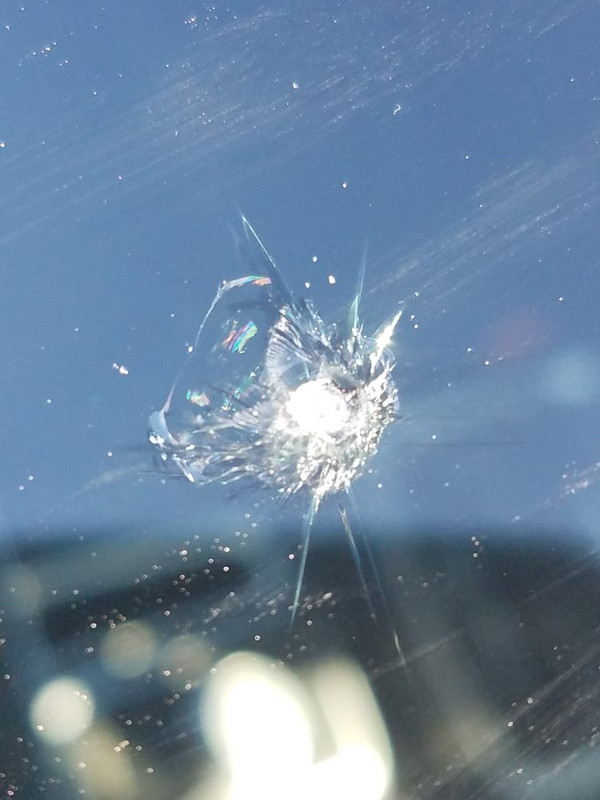
Before you commit to auto glass replacement, ask whether a repair is viable. Chip repairs, using resin injected and cured under UV, can stop a small star or bulls-eye from spreading. Many insurers waive deductibles for these, and the process takes less than an hour. The sweet spot is damage smaller than a quarter with no long cracks and well away from the driver’s line of sight.
Repairs preserve the factory seal, avoid calibration, and cost far less. The drawback is visual. Even the best repairs leave a faint blemish. If that’s in your primary field Goose Creek auto glass repair of view, some states disallow repair and require replacement. Also, repairs don’t restore full structural integrity, they stop progression. If a crack has already radiated beyond a few inches, replacement becomes a safety call.
The ADAS tangle: calibration is not optional
Advanced driver-assistance systems complicate what used to be a straightforward job. If your windshield supports a forward camera, your service should discuss calibration before any tools come out. Static calibration involves placing targets at specific distances and heights in front of the vehicle on a level surface. Dynamic calibration uses a prescribed road drive while the scan tool guides the process. Some cars need both. If your estimate leaves this out when your vehicle clearly has a camera, that’s a red flag.
Calibration requirements also influence where to schedule. Many mobile teams can perform dynamic calibration after installation if they carry the right scan tools and have the road space. Static calibration demands controlled space. Vehicles with radar units integrated into the grille or bumper may need additional steps. The calibration adds cost, often 150 to 400 dollars for common models, more for complex setups. It adds time as well. Budget for it, because skipping it introduces risk.
Materials, cure, and weather: what you can’t see matters
Installers rarely win points for walking customers through adhesive chemistry, but it’s the backbone of a safe windshield replacement. Urethane comes in grades with different safe drive-away times. The fast-cure products cost more and are sensitive to temperature. A good installer will condition the cartridge, prep the pinch weld correctly with primer and activator where needed, and apply a uniform bead with controlled gunning speed and nozzle geometry. They’ll test the glass fit without smearing the bead, then seat it with controlled pressure to maintain stand-off height.
Weather interferes with every one of those steps. In cold climates, I’ve seen techs use adhesive warmers and pop-up tents to keep the work area within spec. In heavy rain or dusty wind, a shop bay is the safer choice. Ask your installer to state the safe drive-away time for the specific adhesive in the day’s conditions. If the answer is vague, push for clarity or choose a different date or location.
Insurance, deductibles, and steering
If you file through insurance, you may encounter “steering,” where the claims process nudges you toward preferred vendors. You’re generally not required to use a single provider. The law in many states protects your right to choose, though the process can be smoother with a network shop. The trade-off is speed and paperwork, not necessarily quality. I’ve seen outstanding installs from independent mobile specialists who work outside big networks and submit invoices directly.
Always verify whether your policy covers calibration and OEM glass if needed. Some policies specify aftermarket unless you pay the difference. If you’re driving a brand with known sensitivity to aftermarket glass for ADAS, ask the shop for experience reports and whether they’ve seen calibration failures tied to certain glass runs. Sometimes the answer is to choose a higher-grade aftermarket part, not strictly OEM.
Finding quality when you search for auto glass near me
The phrase is broad, and search results mix franchises, independents, and lead aggregators. To filter quickly, call two or three providers and ask the same set of questions. The way they respond tells you more than online reviews can.
- Can you provide a written auto glass quote that lists glass brand or DOT number, moldings, clips, urethane type, safe drive-away time, and whether calibration is required? Do you perform static or dynamic calibration in-house, via mobile, or through a partner? Is it completed before I pick up the car? What is your process if you encounter rust on the pinch weld or a misbonded previous installation? Do you guarantee no water leaks, wind noise, or stress cracks from installation? For how long? If mobile, how do you handle bad weather and temperature limits? If shop, how long should I expect to leave the car?
Those five answers separate professionals from order-takers. I keep a short list of vendors who answer crisply, explain trade-offs without defensiveness, and don’t flinch when I ask for the glass DOT code.
Mobile vs. shop: matching the choice to the scenario
A small sedan with a clean chip, parked in your driveway on a mild day, is tailor-made for mobile repair. You’ll be back to driving within an hour. A cracked windshield on a five-year-old SUV with a forward camera and rain sensor, during a cold snap, leans strongly toward a shop. Even if a mobile tech can physically install the glass, the calibration environment and cure window push the job indoors.
Fleet vehicles change the calculus. If you manage vans that rack up 200 miles a day, downtime kills revenue. I’ve had mobile teams rotate through a lot at night, replacing side glass and windshields with adhesives designed for overnight cure at cool temperatures. For those, we scheduled static calibrations at a shop the next morning and staggered vehicle availability. The logistics matter more than a single install cost because the fleet remained productive.
On the other end, I once worked with a high-end coupe featuring an augmented reality HUD. The dealer insisted on OEM glass and in-house calibration. The price was steep. We tried a reputable independent shop with access to the same calibration suite and an OEM part. The result was perfect, and the total was a few hundred dollars less. The lesson wasn’t that dealers are wrong. It was that capability, not the logo on the building, determines quality.
Time, cost, and the hidden value of prep
People fixate on the headline number, and that’s understandable. What you want to pay for is time spent on preparation: protecting the interior with covers, safeguarding the paint where cutting tools pass, cleaning old urethane to the recommended thickness, priming bare metal, and test-fitting. Good prep reduces leak risk and wind noise, both of which surface days or weeks later. I’ve seen bargain installs cost more in the end because the customer returned for water testing, removal, re-prime, and reinstall, not to mention time lost.
Ask how long the job will take including cure time. A typical windshield replacement, excluding calibration, often runs 60 to 90 minutes of work plus the adhesive’s safe drive-away window. With calibration, you might be in the two to four-hour range, depending on the procedure and queue. If someone promises a start-to-drive time that seems short for the conditions, that’s a warning.
Glass quality: OEM, dealer-branded, and aftermarket
Not all aftermarket glass is equal. Some manufacturers produce both OEM and aftermarket parts. Optical quality matters, especially with HUD or camera views. Distortion shows up as waviness when you look through the passenger side at a fence or street lines. A shop that rejects a piece for optical flaws before installing it is worth your business. I’ve watched a tech set a windshield on stands, peer at a patterned wall through different zones, then reject the part before it touched the car. That quality control saved hours and a potential redo.
Dealer-branded glass often carries a premium. It can be the right choice if calibration success rates suffer with certain aftermarket runs on your specific model. Before you pay the premium, ask the shop what they’ve seen with your make. Many times a high-grade aftermarket piece performs identically, especially for vehicles with straightforward sensor setups.
Weather strategy for mobile installs
If you decide on mobile service, be picky about timing. Early mornings in summer can be humid, which extends cure times. Late afternoons can bring wind that blows dust onto the bead. Shade helps maintain adhesive temperature. I’ve seen techs create clean zones with portable canopies and drop cloths, then warm the cabin slightly to encourage cure. You can help by clearing the driveway, moving lawn sprinklers far from the work area, and giving the vehicle a couple of hours post-install before driving.
What to expect the day of service
The rhythm is predictable when it’s done right. The tech inspects the vehicle, protects surfaces, and confirms part numbers. They remove wipers and moldings, cut the old urethane, and lift the glass with suction cups. They clean the pinch weld, treat any exposed metal, and apply primer as specified. They prep the new glass, transfer any brackets, and run a uniform urethane bead. After seating the glass, they reinstall trim and hardware, then clean the interior glass and dash.
If calibration is required, it follows. Static calibration happens in a bay with targets and a scan tool. Dynamic calibration involves a controlled drive. You’ll see the tech confirm sensor readiness and clear any related trouble codes. Expect a final water test or leak check before they hand you the keys.
Warranty and aftercare
A real warranty spells out coverage for leaks, wind noise, stress cracks originating from installation, and adhesive failures. One year is common, lifetime against leaks is not unusual from better shops. Keep your invoice. If you hear a whistle at highway speed, don’t wait. Wind noise often points to a trim issue or a small gap at the edge bead, both easy fixes if addressed quickly.
For the first day, avoid slamming doors. The cabin pressure spike can disturb the bead before it fully cures. Skip car washes with high-pressure jets for at least 24 to 48 hours unless your installer says otherwise based on the adhesive used. If tape is applied on the exterior trim to hold soft moldings in place, follow the removal timing they give you. I’ve seen people leave tape on for a week, which can imprint residue on paint in hot weather.
Edge cases that change the decision
Convertibles, classic cars with scarce trim parts, vehicles with aftermarket security film, and trucks with body flex beyond typical sedans require extra care. A shop that has dealt with your specific edge case is a safer bet. On classics, the challenge is often brittle trim or clips that no longer exist. A patient technician can preserve or fabricate what’s needed, but that’s not a mobile-in-a-rush scenario.
There’s also the scenario of a break-in with shattered side glass. Mobile service can quickly replace the glass and vacuum out debris so you can drive the same day. Calibration usually isn’t involved, and side glass is tempered rather than laminated, so adhesives are not a factor. In dense urban areas, response speed matters more than anything. I keep a contact for a mobile team that stocks common side glass for delivery vans for exactly this reason.
How to balance speed, cost, and safety
If you’re weighing offers after a search for auto glass near me, use three anchors for your decision. First, can they meet the technical needs of your vehicle, including ADAS calibration, with the right environment? Second, do they use materials that match your climate and the job, with a clear safe drive-away time? Third, are they transparent about parts, adhesives, and warranties in writing? Choose based on those, and the price will make sense in context.
When it’s straightforward and dry, mobile service is often the best mix of convenience and quality. When weather turns or technology stacks up behind the glass, a shop’s controlled environment is worth the trip. Either way, a precise windshield quote or auto glass quote with the right details is your best predictor of a clean result.
A quick, no-drama plan you can follow
- Gather your VIN, note any sensors or features near the mirror, and take two photos: one of the full windshield, one of the camera or sensor area. Call two mobile services and one shop. Ask for a written estimate that includes glass brand or DOT, urethane type and safe drive-away time, needed calibration, and warranty terms. Check the weather for your install window. If conditions look marginal for adhesive cure or static calibration, book the shop. Confirm calibration capability for your model. If dynamic only is offered but your OEM calls for static, adjust your plan. Set aside extra time for calibration and a post-install drive test of ADAS features before you sign off.
The goal is to end the day with a windshield that bonds like the factory intended, sensors that read the road correctly, and a cabin that stays dry and quiet at 70 mph. Whether a mobile team comes to you or you pull into a well-lit bay, the path is the same: experienced hands, the right materials, and a process that respects what the glass is doing for you.